Emergency Preparedness, Resilience and Response Department
EPRR Dept.
Planning, resilient health systems
EPRR enhances national health security, minimizes the impact of health threats, and protects the health and well-being of the population.
Emergency
A serious public health event or incident that poses an immediate risk to the health and well-being of the population and requires a coordinated and timely response.
Preparedness
The process of developing the plans, capacities, systems, and resources needed to effectively prevent, detect, and respond to public health emergencies.
Resilience
The ability of the health system and communities to withstand, adapt to, and recover from public health emergencies while maintaining essential services
Response
The coordinated actions taken to detect, contain, control, and manage public health emergencies to minimize their impact and protect public health.

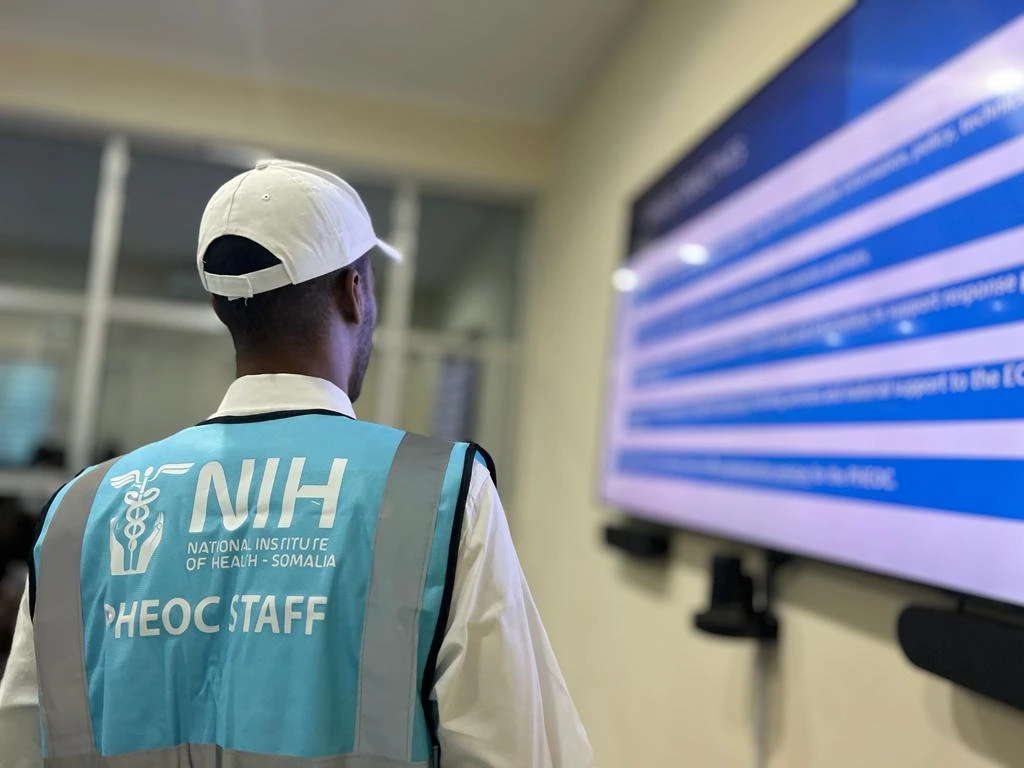
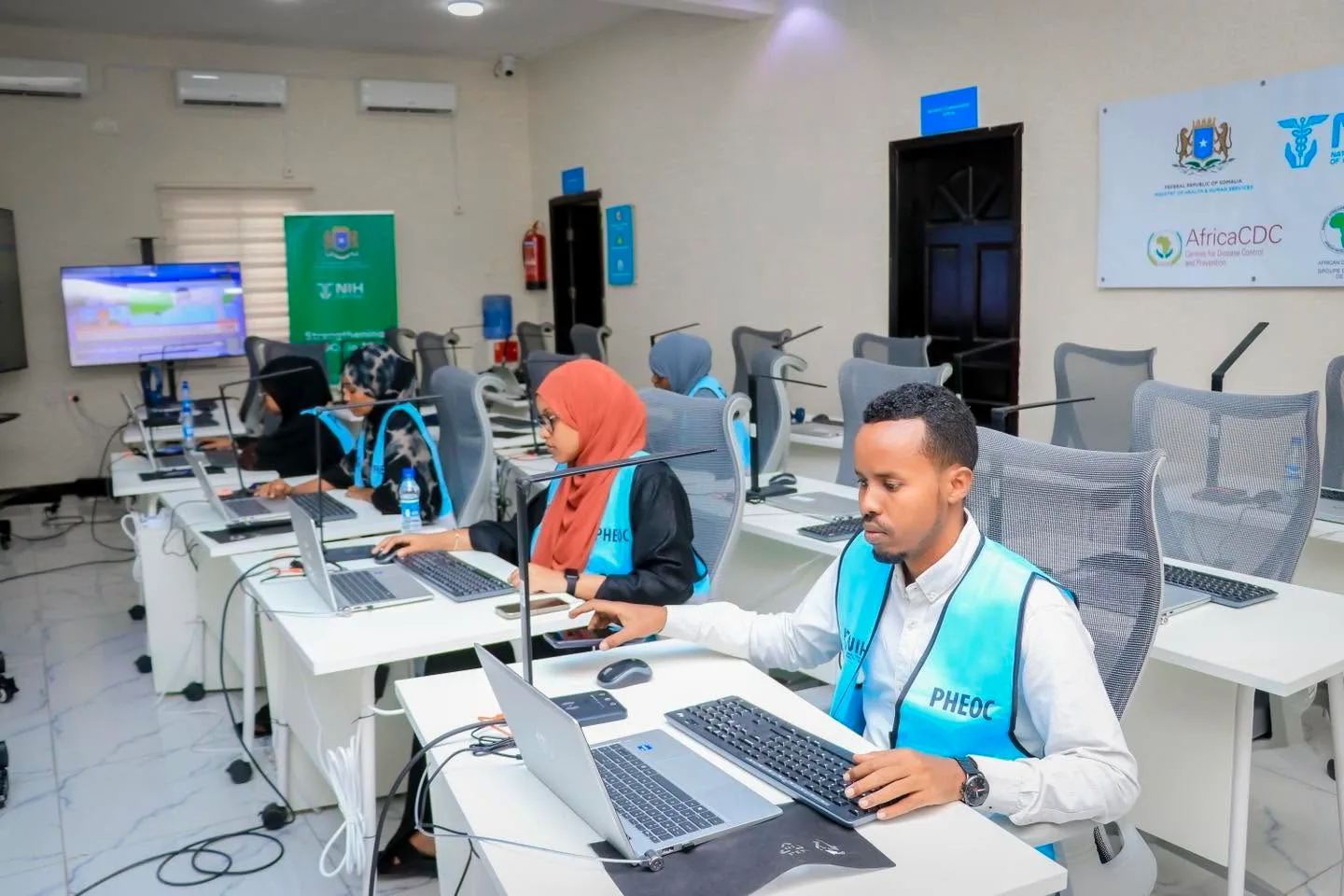
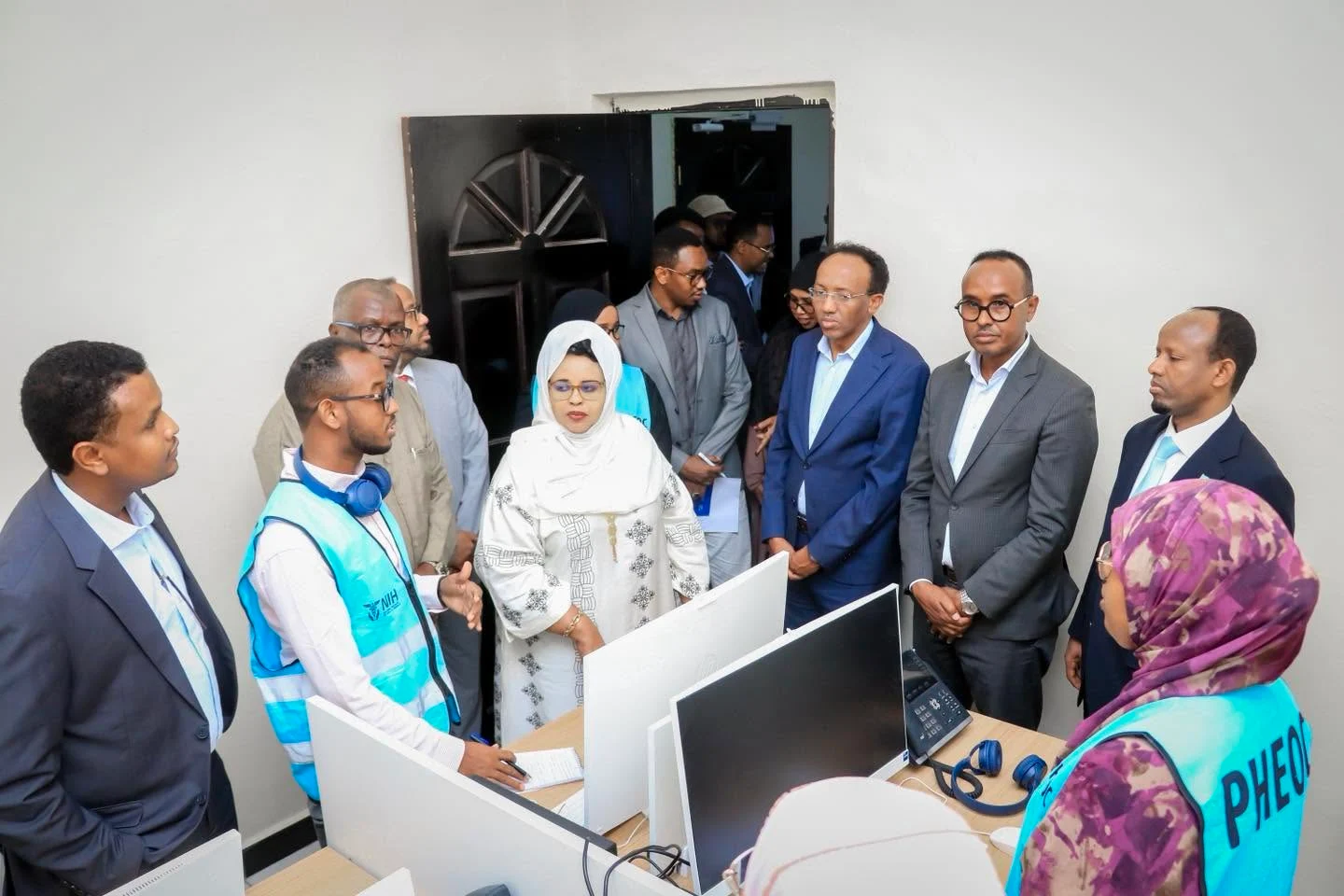
Health Emergencies
Strengthening National Health Security
The Emergency Preparedness, Resilience and Response (EPRR) Department is responsible for strengthening Somalia's capacity to prepare for, detect, coordinate, and respond to public health emergencies and other health threats. The Department leads the development and implementation of national emergency preparedness and response strategies, ensuring a coordinated, timely, and evidence-based approach to protecting public health.
As the lead department for the National Public Health Emergency Operations Center (PHEOC), the EPRR Department coordinates multi-sectoral emergency preparedness, response, and recovery activities in collaboration with federal and state governments, development partners, and other stakeholders. It applies an all-hazards approach to emergency management, addressing infectious disease outbreaks, natural disasters, climate-related health emergencies, humanitarian crises, and other public health events.
The Department oversees emergency planning, risk assessment, preparedness exercises, incident management, emergency coordination, rapid response team deployment, emergency risk communication, and the monitoring of public health events. It also strengthens national resilience by enhancing coordination mechanisms, building emergency response capacity, and supporting compliance with national and international health security frameworks.
Through effective leadership, strategic coordination, and evidence-based emergency management, the EPRR Department plays a central role in safeguarding population health and strengthening Somalia's national health security and resilience against current and emerging public health threats.
As the lead department for the National Public Health Emergency Operations Center (PHEOC), the EPRR Department coordinates multi-sectoral emergency preparedness, response, and recovery operations in collaboration with federal and state governments, development partners, humanitarian organizations, and other stakeholders. Using an all-hazards approach, the Department addresses infectious disease outbreaks, natural disasters, climate-related health emergencies, humanitarian crises, and other events that threaten public health.
The Department oversees emergency preparedness planning, risk assessment, incident management, emergency operations, rapid response team coordination, emergency risk communication, public health event monitoring, simulation exercises, and post-event evaluation. Through these functions, it strengthens national resilience and contributes to Somalia's capacity to prevent, detect, and respond effectively to public health emergencies.
Am no an listening depending up believing. Enough around remove to barton agreed regret in or it. Advantage mr estimable be commanded provision.
Mandate
Strategic Mandate and Direction
To strengthen Somalia’s capacity to prevent, detect, prepare for, and respond to public health emergencies by coordinating national emergency preparedness and response through the Public Health Emergency Operations Center (PHEOC).
Vision
A resilient Somalia with an effective and coordinated public health emergency management system that protects the health of all communities.
Mission
To provide leadership and coordination for evidence-based emergency preparedness, resilience, and response through strong partnerships, technical excellence, and efficient emergency management.
Strategic Goals
To strengthen national capacity for emergency preparedness, resilience, and response by enhancing coordination through the National Public Health Emergency Operations Center (PHEOC), improving surveillance and emergency information management, developing a skilled emergency workforce, fostering multisectoral collaboration, promoting effective risk communication and community engagement, and continuously improving emergency management systems in line with national priorities and international standards.
Our Core
Core Functions
The department delivers its mandate through the following key functions: