Departments of the National
Institute of Health (NIH), Somalia
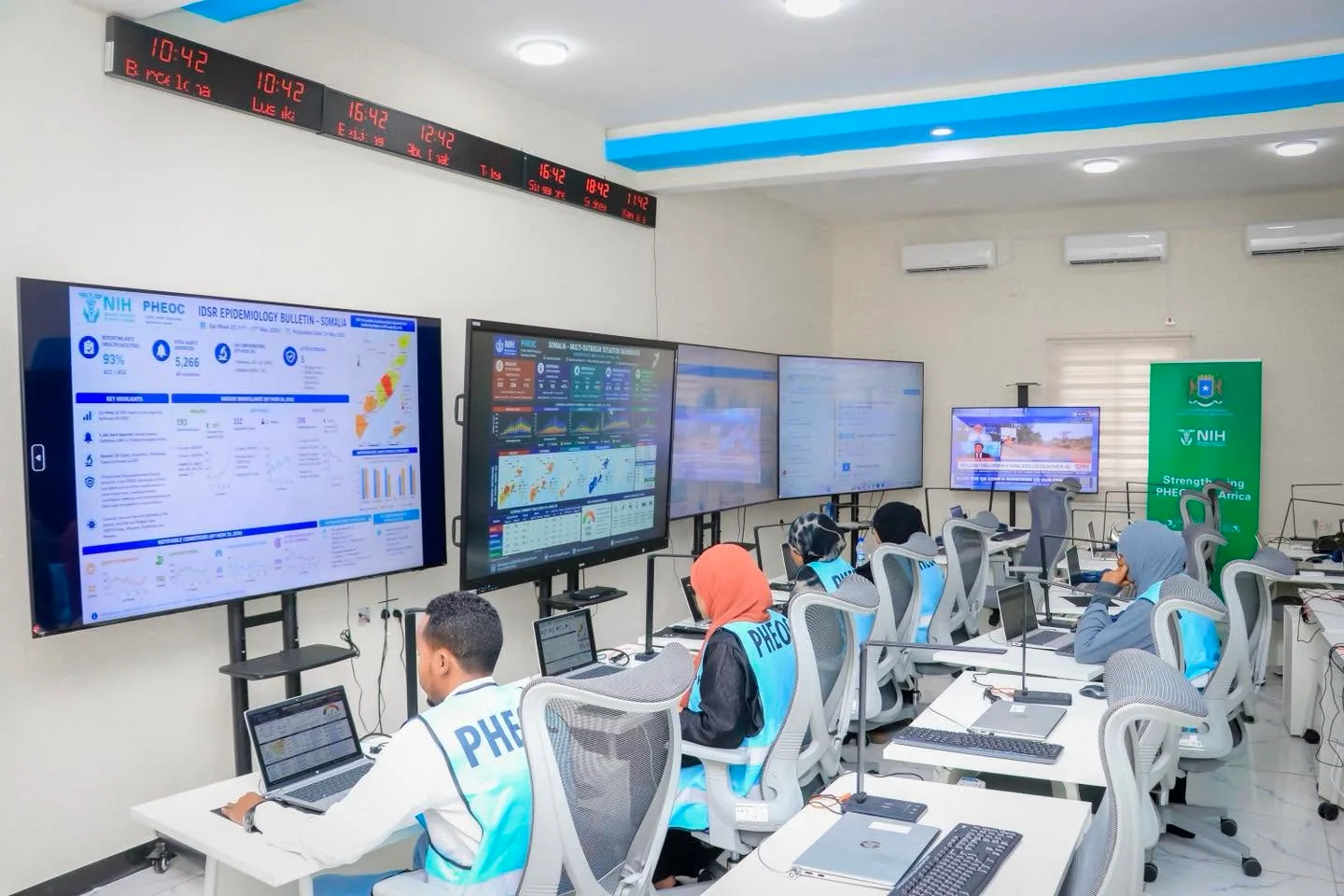
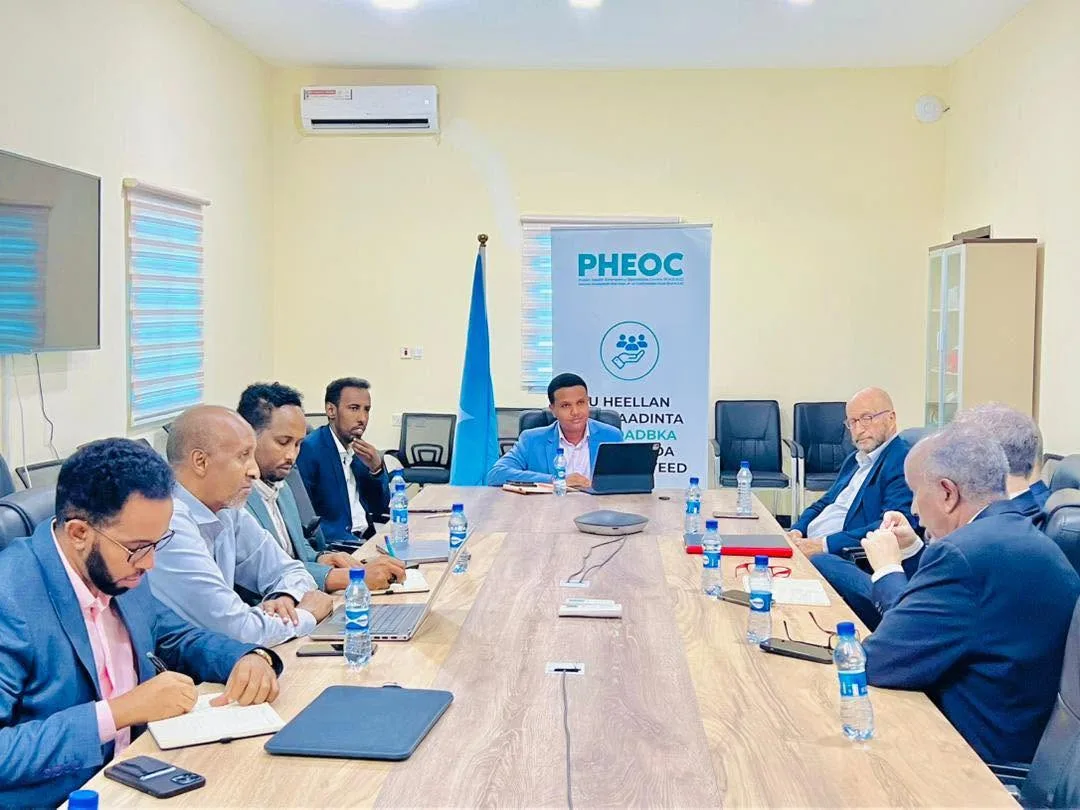
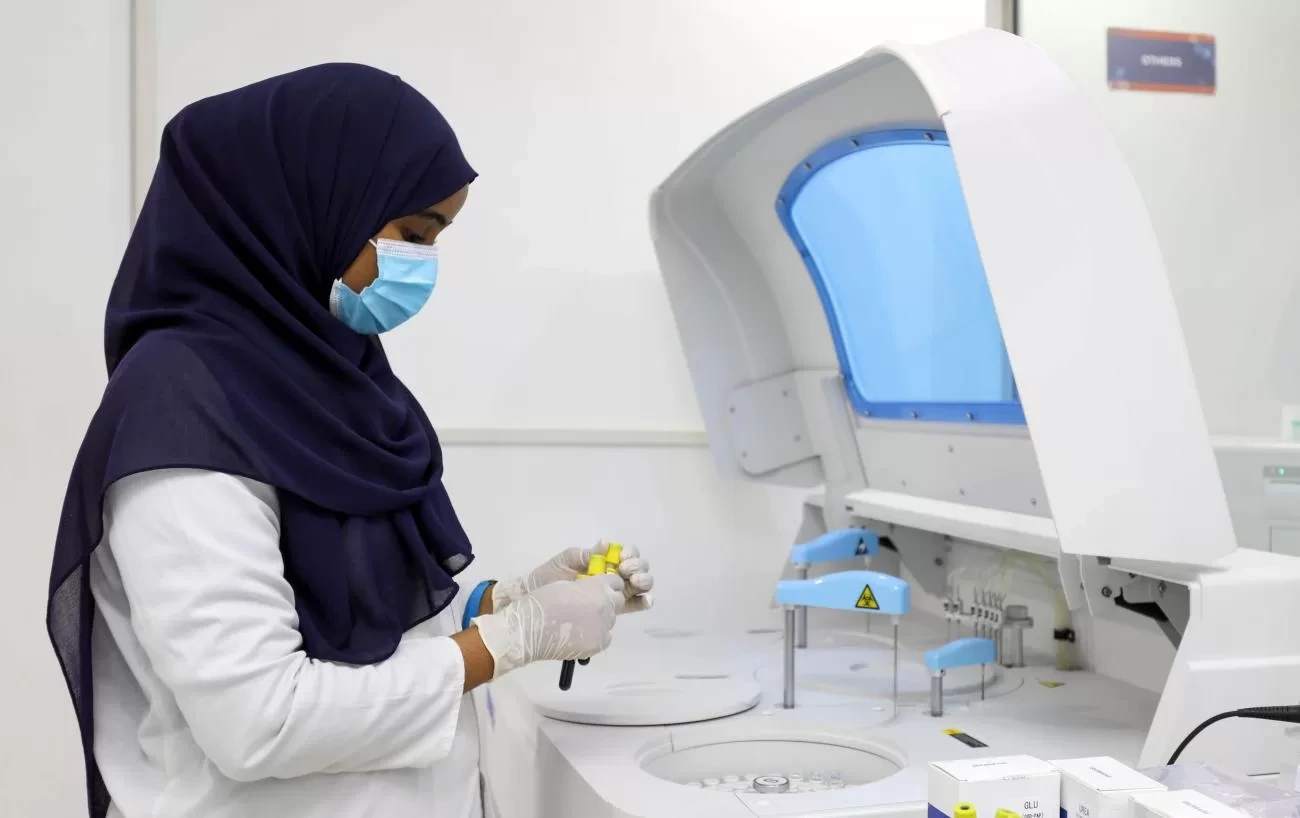
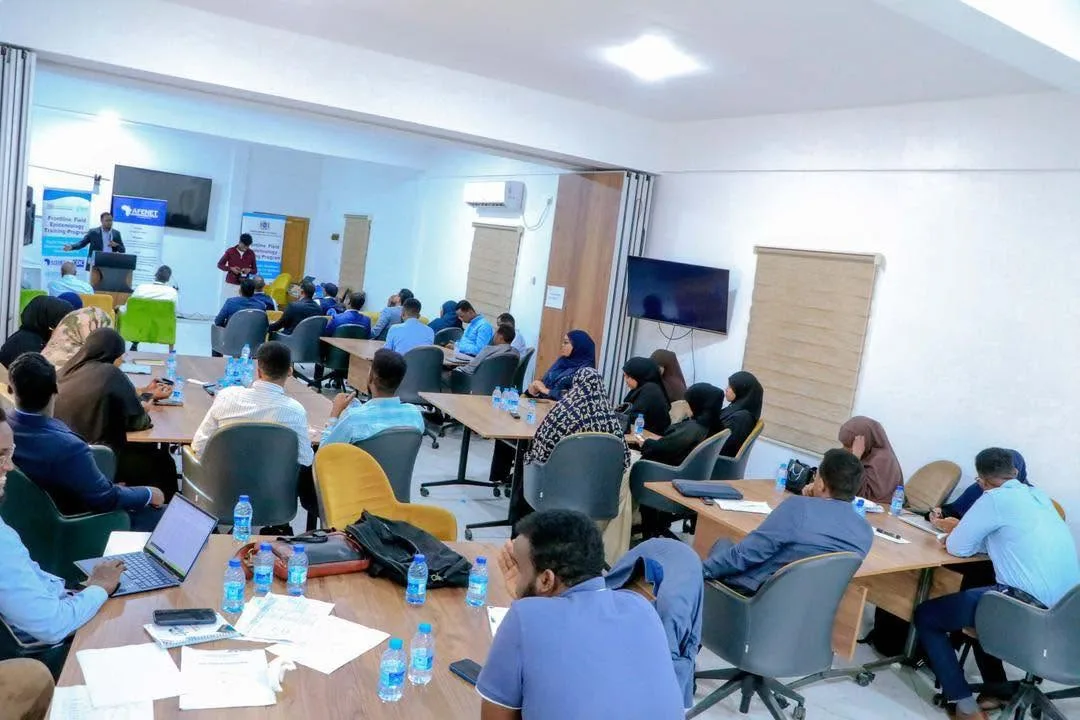
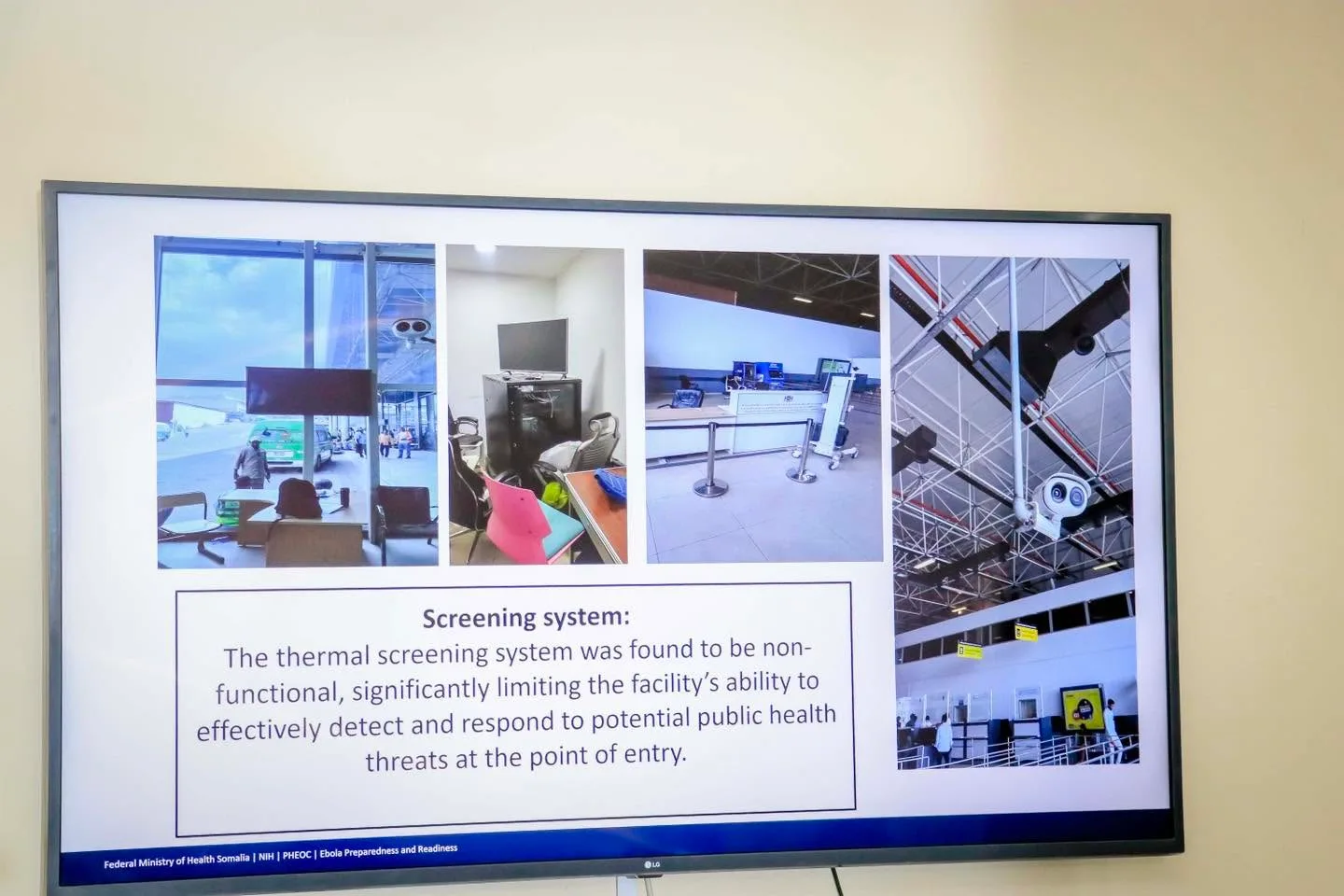
The National Institute of Health (NIH), Somalia, strengthens national health security through key departments responsible for emergency preparedness and response (EPRR), public health laboratories, health research, workforce development and FETP, port health and cross-border health security, IHR implementation, planning and monitoring, and administration and finance. Together, these departments support coordinated, evidence-based actions to prevent, detect, and respond to public health threats.
Emergency Preparedness, Resilience and Response (EPRR) Department
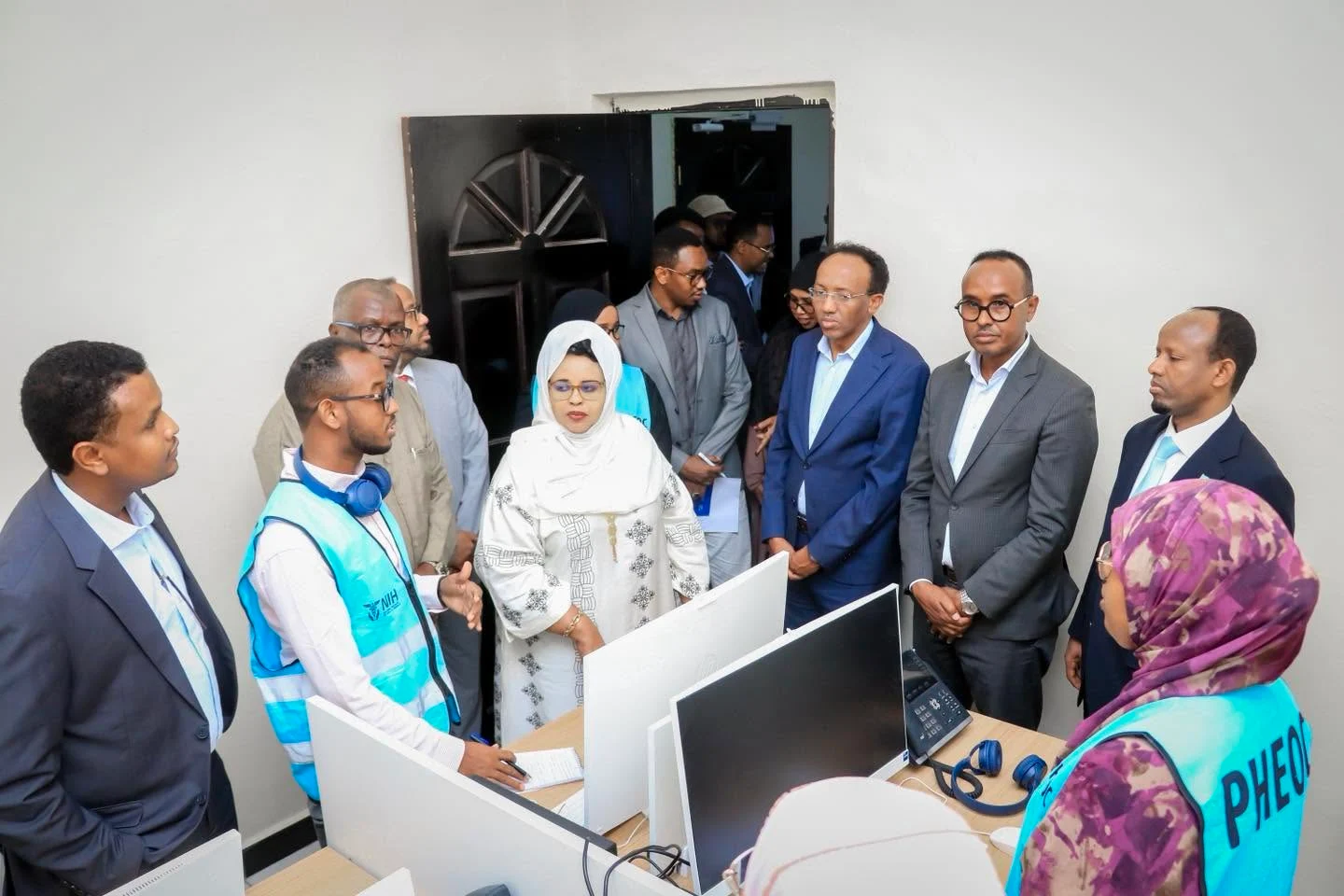
Coordinates emergency preparedness, outbreak response, and the Public Health Emergency Operations Center (PHEOC) to strengthen national health security.
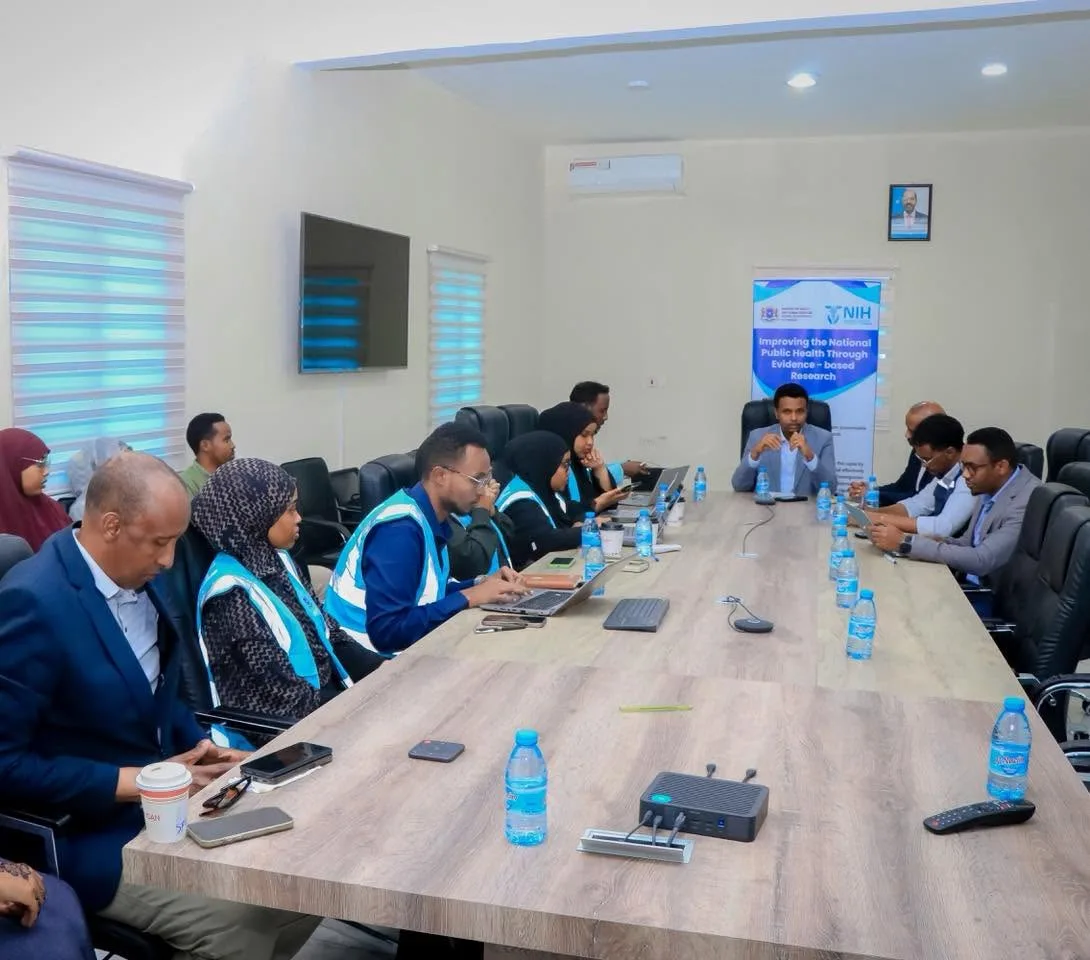
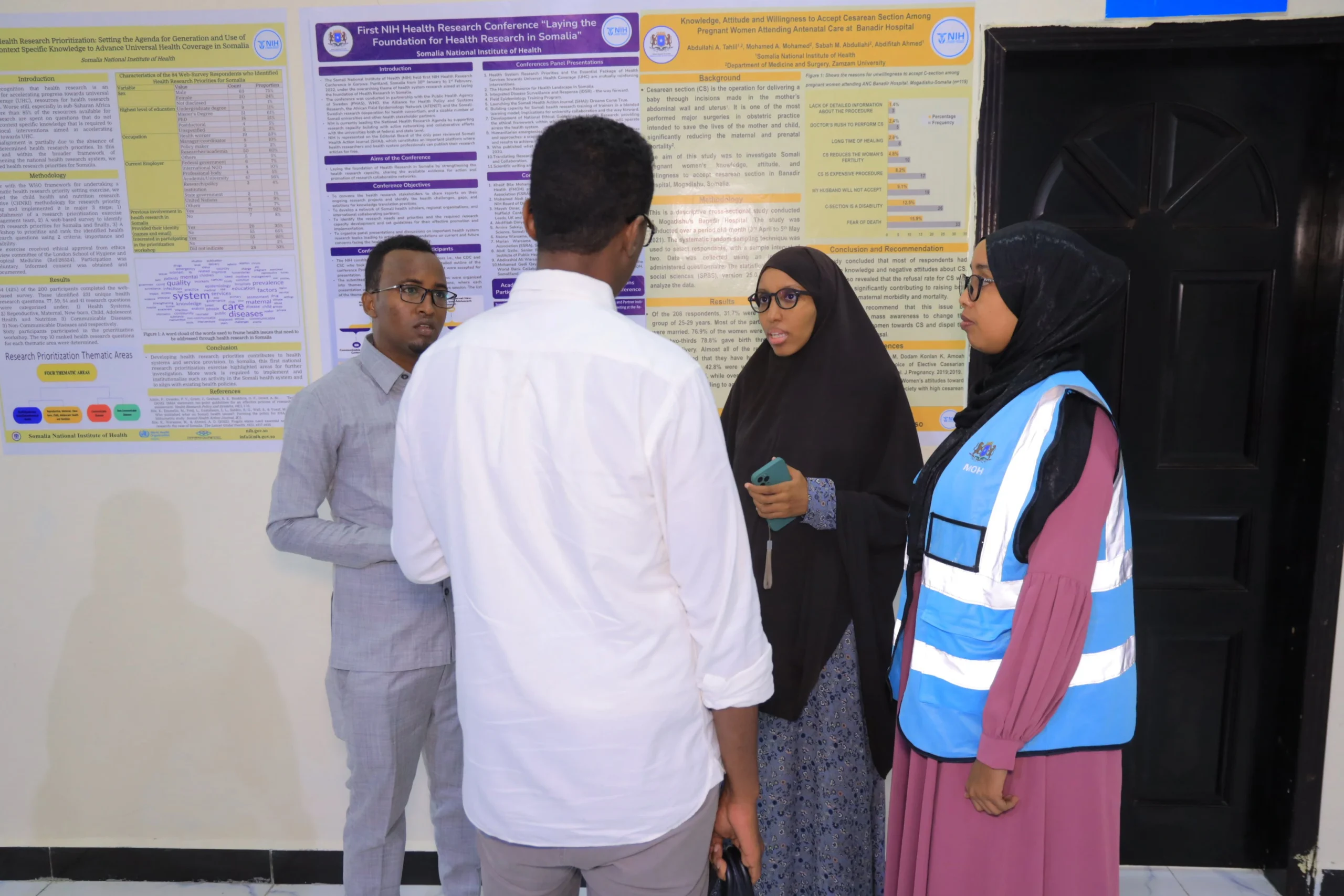
NIH as a center of excellence for public health research in Somalia
The event marks a milestone in establishing the NIH as a center of excellence for public health research in Somalia. address by Ambassador Per Lindgarde from SIDA at the closing ceremony of the first-ever National Institute of Health (NIH) Health Research Conference in Somalia, held in Garowe