Ebola Preparedness: Strengthening Readiness to Protect Communities
Ebola Preparedness: Every Moment Matters
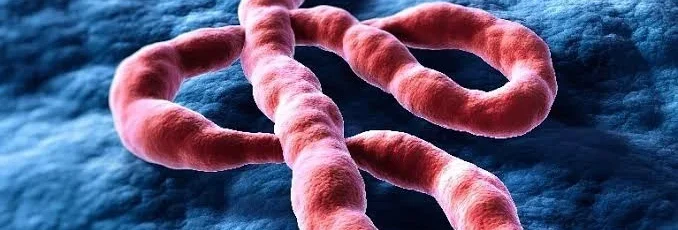
Ebola Virus Disease (EVD) is a severe and often life-threatening illness that can spread rapidly if not detected and controlled early. Although outbreaks are relatively rare, their impact on communities, healthcare systems, and economies can be significant. Preparedness is therefore essential to ensure that countries and health institutions can detect, respond to, and contain outbreaks before they become public health emergencies.
Why Preparedness Is Important
Effective Ebola preparedness enables health authorities to identify suspected cases quickly, isolate infected individuals, trace contacts, and provide timely medical care. A well-prepared health system reduces the risk of widespread transmission, protects healthcare workers, and reassures the public through coordinated and evidence-based action.
Preparedness also strengthens overall health security by improving emergency response systems that can be used for other infectious disease outbreaks.
Key Components of Ebola Preparedness
1. Surveillance and Early Detection
Strong disease surveillance systems help identify suspected Ebola cases at the earliest stage. Community reporting, health facility surveillance, and laboratory confirmation are essential for rapid response.
2. Laboratory Capacity
Reliable laboratory services are critical for confirming Ebola cases accurately and quickly. Timely testing supports effective case management and prevents unnecessary delays in response efforts.
3. Infection Prevention and Control (IPC)
Healthcare facilities should maintain strict infection prevention and control measures, including:
- Proper hand hygiene
- Appropriate use of personal protective equipment (PPE)
- Safe waste management
- Environmental cleaning and disinfection
- Safe isolation procedures
4. Healthcare Worker Training
Regular training and simulation exercises ensure healthcare workers are prepared to recognize Ebola symptoms, safely manage patients, and protect themselves from infection.
5. Risk Communication and Community Engagement
Communities play a vital role in preventing Ebola transmission. Providing accurate, timely, and culturally appropriate information helps build trust, reduce misinformation, and encourage early reporting of symptoms.
6. Border and Port Health Preparedness
Points of entry, including airports, seaports, and land border crossings, should have screening procedures, reporting mechanisms, and referral systems to identify travelers who may require further assessment while maintaining compliance with the International Health Regulations (IHR).
7. Emergency Coordination
A coordinated national response involving public health authorities, laboratories, healthcare facilities, humanitarian partners, and local communities ensures rapid decision-making and efficient resource mobilization during an outbreak.
How Communities Can Help
Everyone has a role in preventing Ebola. Community members should:
- Report suspected cases promptly to health authorities.
- Avoid direct contact with the bodily fluids of sick individuals.
- Follow guidance from public health officials.
- Practice regular hand hygiene.
- Seek medical care immediately if symptoms develop after possible exposure.
- Rely on information from trusted health authorities rather than rumors or misinformation.
Building a Safer Future
Preparedness is the foundation of effective outbreak response. Investing in surveillance, laboratory systems, trained health professionals, community engagement, and emergency coordination enables countries to detect threats early and respond swiftly. By working together, governments, healthcare workers, partners, and communities can strengthen resilience against Ebola and other emerging public health threats.
Preparedness today saves lives tomorrow.