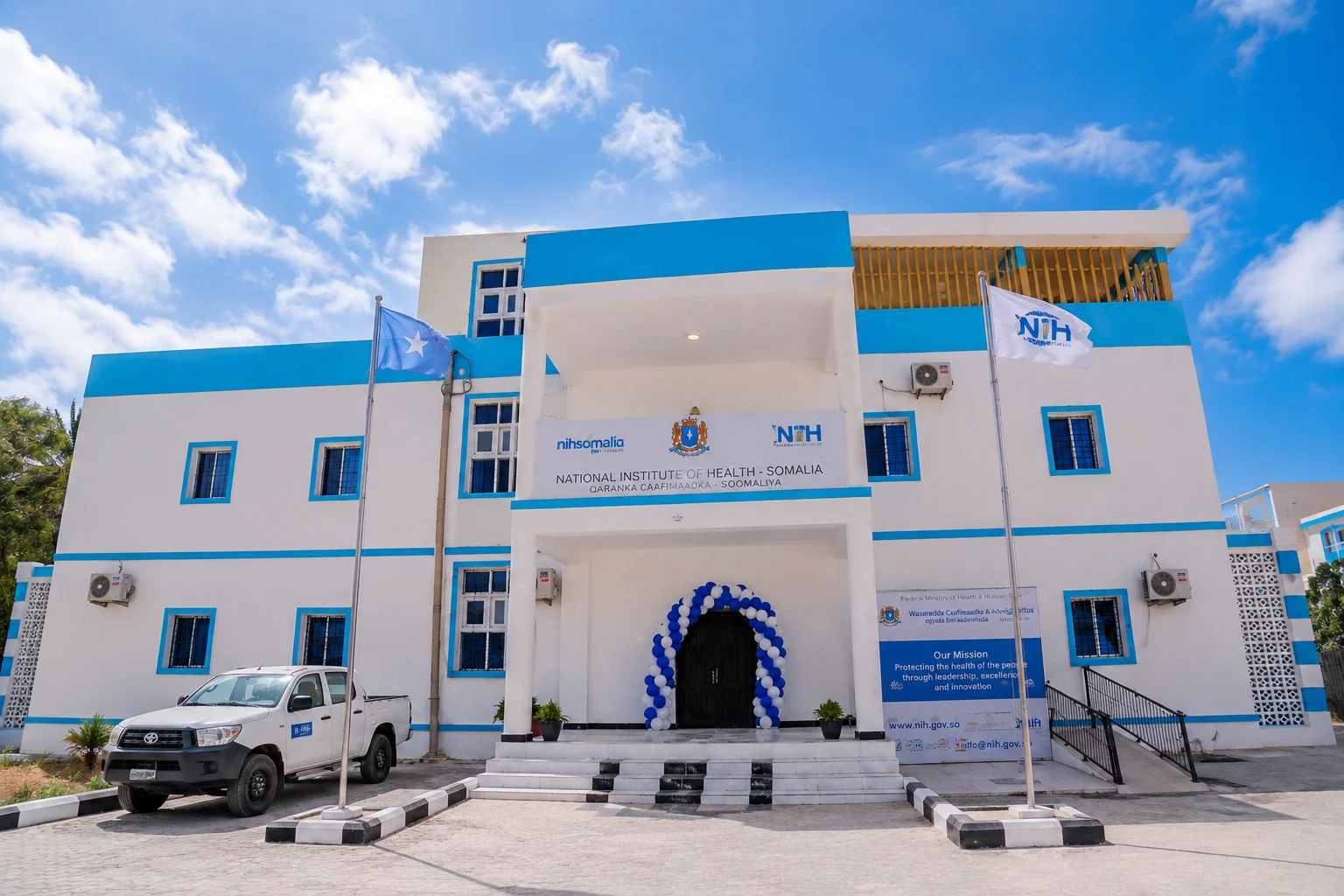
The National Institute of Health (NIH) Somalia is the country’s leading public health institution under the Federal Ministry of Health and Human Services. NIH is dedicated to protecting and improving the health of the Somali people through disease surveillance, public health research, laboratory services, emergency preparedness and response, workforce development, and evidence-based policy support.
Working closely with government institutions, healthcare providers, international partners, and local communities, NIH strengthens national health security by detecting, preventing, and responding to public health threats. The Institute also serves as a center of excellence for scientific research, innovation, and capacity building, ensuring that public health decisions are guided by reliable data and international best practices.
Through its commitment to excellence, collaboration, and innovation, NIH Somalia strives to build a healthier, safer, and more resilient nation.
OUR MANDATE
WHAT WE DO?
The National Institute of Health (NIH), Somalia, is the country’s lead public health institution, mandated by the Federal Ministry of Health and Human Services (FMoH) to strengthen national health security. We lead public healthresearch, disease surveillance, laboratory systems, emergency preparedness and response, the Public Health Emergency Operations Centre (PHEOC), the Field Epidemiology Training Program (FETP), International Health Regulations (IHR 2005), port and cross-border health services, and workforce development. Together with national, regional, and global partners, we generate evidence, coordinate timely responses, and build resilient systems to prevent, detect, and respond to public health threats.
Vision
A healthier, safer, and more resilient Somalia through excellence in
public health.
Mission
To strengthen national health security by advancing public health
research, surveillance, laboratory systems, workforce development,
and emergency preparedness and response through innovation,
collaboration, and evidence-based action.
Goals
To build resilient public health systems that prevent, detect, and
respond eectively to public health threats and emergencies,
protecting the health and well-being of all Somalis.
Our Value
National Institute of Health Strategic Plan
The National Institute of Health (NIH), Somalia, operates through specialized departments that strengthen the country’s public health system and health security.
Pillar OneNIHS
Disease Surveillance & Intelligence
Strengthening surveillance systems for the early detection, monitoring, and reporting of diseases to enable timely public health action.
Pillar TwoNIHS
Laboratory Systems & Diagnostics
Building high-quality laboratory services and national diagnostic capacity to support disease detection, outbreak confirmation, and public health research.
Pillar ThreeNIHS
Emergency Preparedness & Response
Enhancing national readiness to prevent, detect, and respond effectively to public health emergencies, epidemics, and other health threats.
Pillar FourNIHS
Research, Innovation & Workforce Development
Promoting public health research, evidence-based policymaking, innovation, and the development of a skilled public health workforce to improve health outcomes across Somalia
Research dept.
SECRETARIAL ROLE DEPARTMENT OF RESEARCH
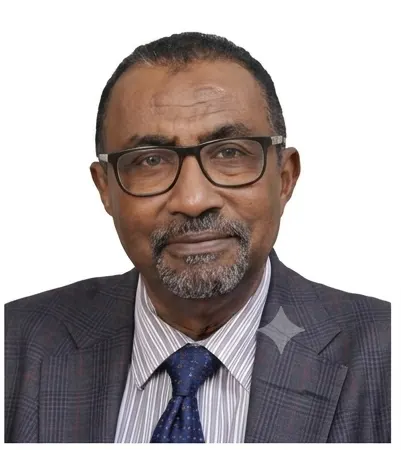
Dr. Hussein Abukar Muhiadin
CHAIR
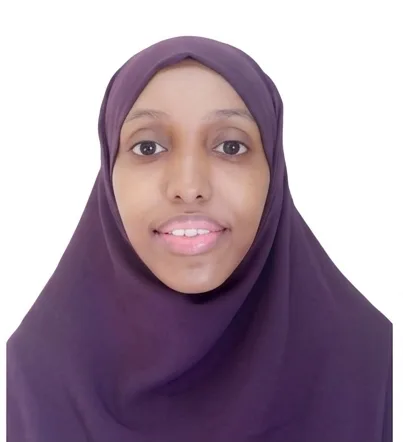
Mayah Abu omar
MEMBER
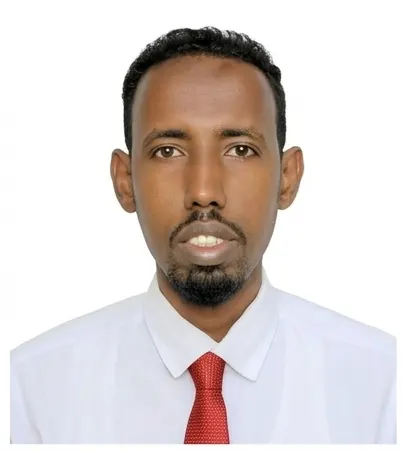
Jibril Said Afyare
MEMBER
Dr. Marian Muse Osman
MEMBER
Farhan Mohamed Mohamus
MEMBER
Dr. shaciye Hussein Abdulle
MEMBER
Partners
Improving Public Health
through Research,
Education, Training, and
Disease Prevention and
Control
Somali National Institute of Health (NIH) is an independent national public health agency under the Ministry of Health and Human Services It works to improve the health and well-being of the Somali people by conducting and supporting cutting-edge research. education, training. and disease prevention and control programs. The NIH provides reliable public health information based on scientific evidence to inform policy and practice The NIH also strives to strengthen the capacity of the country to prevent. detect. and respond to public health threats and emergencies in line with the International Health Regulations (IHR 2005),