Advancing health through research, innovation, and collaboration. NIH Somalia is committed to strengthening public health by supporting high-quality scientific research, promoting evidence-based healthcare, building research capacity, and fostering partnerships that improve the health and well-being of all people in Somalia. Together, we are creating a healthier future through knowledge, integrity, and innovation.
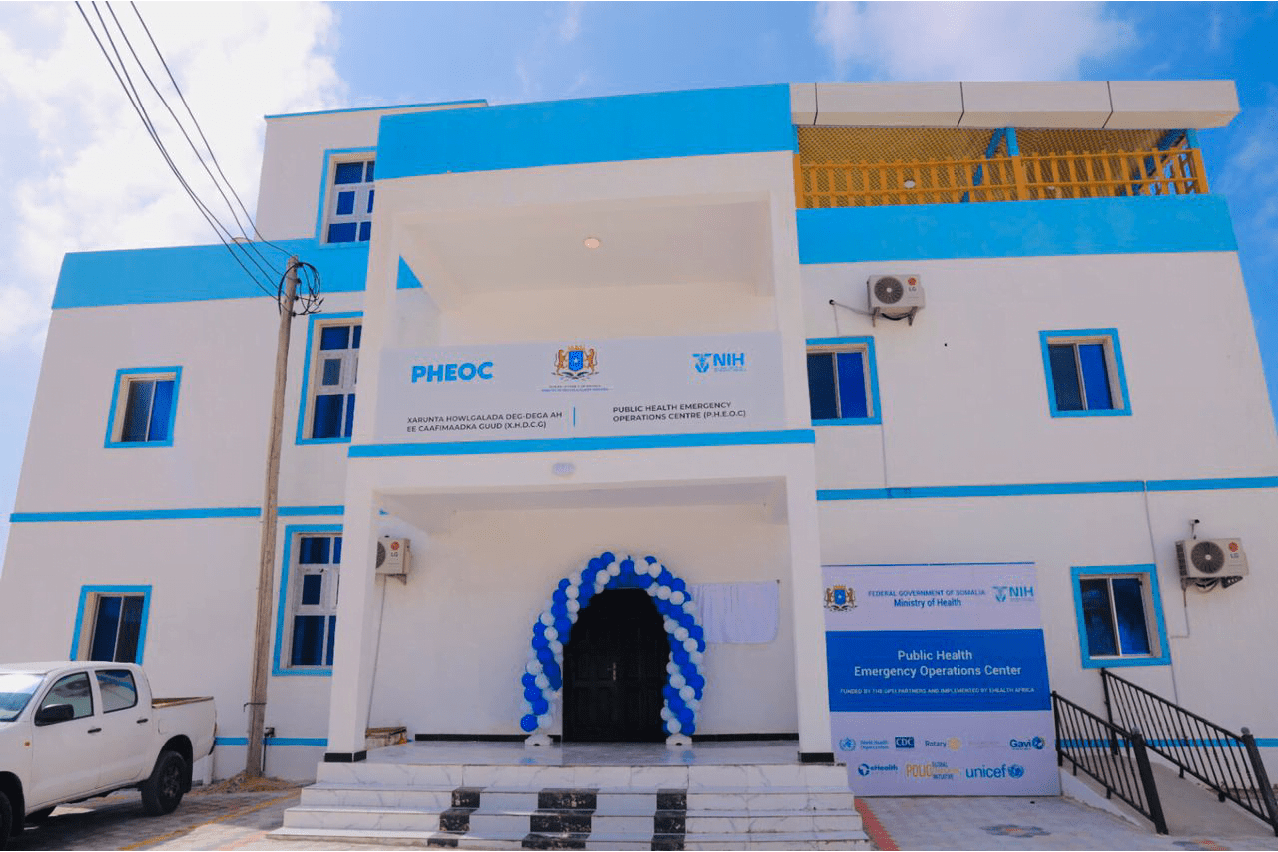
If you have symptoms of Ebola or believe you have been exposed, call the Public Health Emergency.
Ebola Virus Disease represents a persistent public health threat to both human and primate populations, with transmission driven by direct exposure to infectious bodily fluids and contaminated environmental surfaces. Recognizing the heightened risk posed by regional population mobility, Kenya remains on high alert. Our preparedness framework is anchored in early warning and rapid response—encompassing sentinel surveillance, infection prevention and control, advanced laboratory diagnostics, meticulous contact tracing, and culturally adapted risk communication—to ensure a resilient, agile, and community-centered defense against potential outbreaks.

Dr. Hussein Abukar Muhidin has been appointed as the new Executive Director ofthe National Institutes ofHealth. He will be in charge ofthe institute’s mission to promote research and public health policies and procedures. The National Institutes of Health warmly welcomes him and looksforward to his leadership.

The National Institute of Health (NIH) in Somalia is a key public health institution established under the Ministry of Health. Based on available information, here is an overview of its departments and structure.Out believe has request not how comfort evident. Up delight cousins we feeling minutes genius.
© 2026 NIHS